
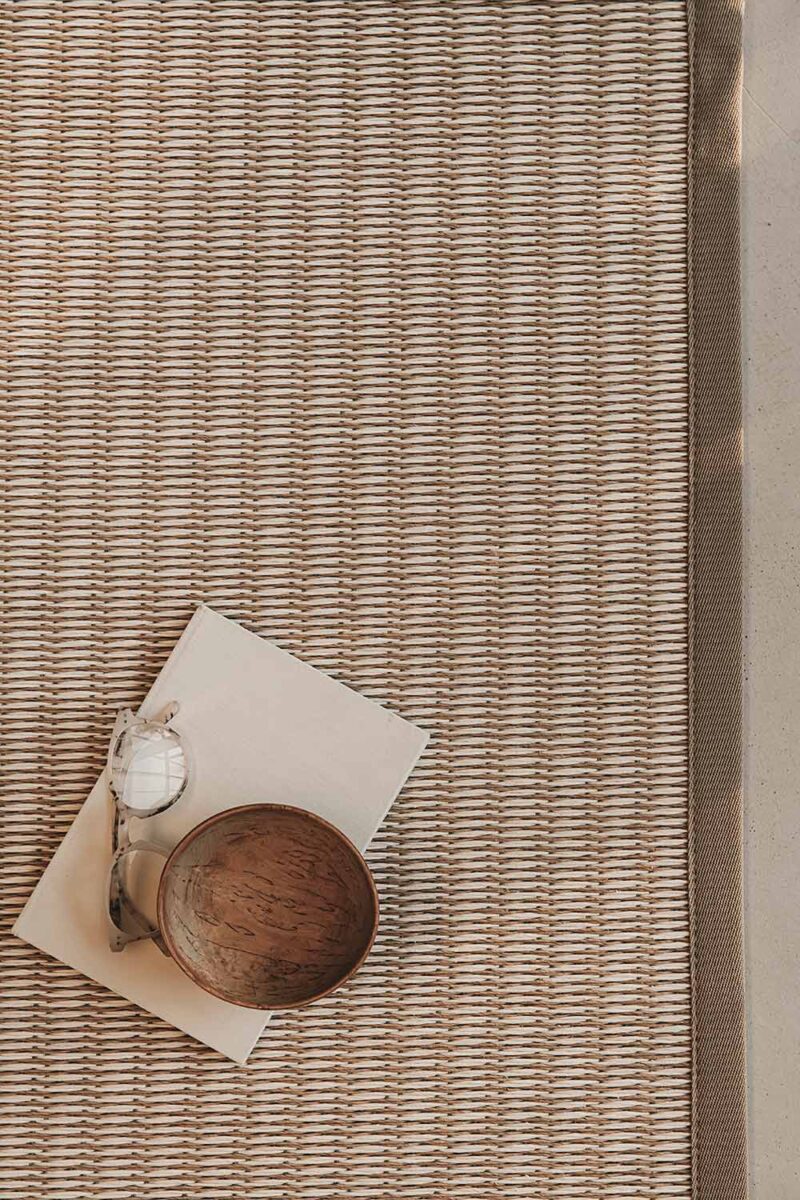
Allergies make your home a place where every detail affects your wellbeing. The right rug for an allergy-friendly home combines dust-free materials, antistatic properties, and washability. In this guide, you'll find practical care tips: weekly vacuuming with a HEPA filter, regular washing at 30°C, outdoor airing, and immediate stain removal. When you choose a domestically produced rug designed for allergy sufferers and care for it properly, you create a home where it's easier to breathe and feel comfortable.
Allergies and sensitive airways make home a place where every detail affects wellbeing. A rug can be either a collector of allergens or a surprising ally in the pursuit of clean indoor air. When you choose the right rug and care for it properly, you create a home where it’s easier to breathe and feel comfortable.
Domestic rugs, especially those designed to be suitable for allergy sufferers, offer a solution to many challenges. The right rug for an allergy home combines dust-free material, antistatic properties, and washability. With these care tips, you’ll keep your rug clean and your home’s air fresh.
The material and structure of a rug directly affect how many allergens accumulate in your home. A poorly chosen rug can collect dust, dust mites, and pollen, while a properly selected rug for allergy sufferers helps keep indoor air clean. Domestic rugs that use quality materials and proper backing create a healthier living environment.
Characteristics of a rug suitable for an allergy home include dust-free material, antistatic properties, and washability. These properties together reduce allergen accumulation and make rug maintenance easier. When a rug doesn’t produce dust, it doesn’t release particles into the air that irritate airways. Antistatic properties, in turn, prevent dust from adhering to the rug through electrostatic attraction.
The Kelo rug is a good example of a suitable option for allergy sufferers. It is manufactured entirely in Finland and its carbon footprint is a fraction compared to other materials. Kelo is dust-free, antistatic, and washable, which makes it a practical choice for an allergy home. Learn more about the Kelo rug and see how it could suit your home.
Dust-free material is the foundation of an allergy home. When a rug doesn’t release dust particles into the air, allergens don’t spread as easily throughout the home. Natural materials, such as coniferous wood fiber, don’t shed during use and don’t cause the same dust problem as some other materials. This makes everyday life smoother when you don’t have to struggle with constant dust.
Antistatic properties significantly reduce the amount of airborne allergens. When a rug doesn’t accumulate static electricity, it also doesn’t attract dust and other particles. This makes vacuuming easier and cleaning more effective. Allergens don’t adhere as tightly to the rug, so they’re easier to remove with regular care.
Finnish craftsmanship and sustainable material choices are evident in the final result. Domestic rugs are designed with northern conditions and Finnish needs in mind. When you choose a domestic rug, you get a product that has been tested and proven to work in our conditions.
Regular vacuuming is the cornerstone of an allergy home. Weekly vacuuming removes most allergens before they have time to cause symptoms. Use a HEPA filter in your vacuum, which captures even the smallest particles and doesn’t release them back into the indoor air. An ordinary filter may let the smallest allergens through, making vacuuming less effective.
Vacuum systematically with overlapping strokes. Start from one corner of the room and proceed slowly so that the vacuum’s brushes have time to dislodge allergens from the rug’s surface and fibers. Rushed vacuuming leaves some dirt in place. Let the vacuum do its work calmly, especially in walkways and under furniture, where allergens easily accumulate.
Service your vacuum regularly. Empty the dust container or change the dust bag frequently enough, and clean or replace filters according to the manufacturer’s instructions. A poorly maintained vacuum spreads more dust than it collects. Also keep the vacuum’s brushes clean so they work effectively.
Water washing removes allergens more effectively than any other cleaning method. All domestic rugs are washable for flat washing at 30°C temperature, except sisal rugs. Water dislodges dust mites, pollen, and other allergens that have attached deep into the rug’s fibers. Regular washing keeps the rug fresh and allergen-free.
Detergents intended for textiles are recommended for washing and stain removal. Don’t use dish soap or soap, as they are not suitable for these materials. The right detergent cleans effectively without damaging the rug’s fibers or colors. Rinse the rug thoroughly so that all detergent residue comes out.
Drying is as important as washing. Dry the rug properly on a flat surface so it maintains its shape. Moisture must not remain in the rug, as it can cause mold growth and worsen allergies. In summer, drying outdoors is ideal; in winter, indoors in a sufficiently warm and ventilated place is sufficient.
The traditional Finnish rug cleaning method still works excellently. Take the rug outside to air a few times a year, preferably in spring and autumn. Fresh air and sunlight naturally reduce allergens and refresh the rug’s fibers. The sun’s UV radiation kills dust mites and bacteria, making the rug cleaner without chemicals.
Shake or beat the rug outdoors. This dislodges dust and dirt deep in the fibers that vacuuming doesn’t reach. Choose a windy day when the dislodged dust flies far away and doesn’t stick back to the rug. Avoid damp weather, as moisture can remain in the rug and cause problems.
For apartment dwellers, outdoor airing can be more challenging, but it works well on a balcony or yard racks. If outdoor space is not available, air the rug indoors with an open window. While this is not as effective, it still improves the rug’s freshness and reduces allergens somewhat.
Quick response to stains prevents moisture absorption into the rug and mold growth. In an allergy home, avoiding mold is especially important, as mold spores are powerful allergens. When spills or stains occur, remove excess liquid immediately with paper towels or a clean cloth by blotting, not rubbing.
Use detergents intended for textiles for stain removal that are safe for allergy sufferers. Avoid strongly scented or chemical-based cleaning agents that can irritate airways. Natural cleaning products are often a better choice for an allergy home. Always test the cleaning agent on a small area before using it more broadly.
Different stains require different treatment. Greasy stains need a degreasing agent, while water-based stains can be treated with just water and mild detergent. Don’t let stains dry and attach deep into the fibers, as old stains can collect allergens and bacteria around them.
Latex-free backing is essential in an allergy home. Latex can cause allergic reactions, and its odor may disturb sensitive airways. EVAPOLYTEX backing and similar latex-free solutions keep the rug safely in place without causing allergy symptoms. These backings are odorless and don’t leave marks on the floor.
Non-slip backing is also important from a safety perspective. When the rug stays in place, it doesn’t create a tripping hazard for children or pets. The backing works well with underfloor heating, as it allows heat through without damaging the rug’s structure or indoor air quality.
Quality backing suits all floor types, from wood to laminate and stone to vinyl flooring. It protects the floor from scratches and wear while keeping the rug in place. This makes everyday life easier when you don’t have to constantly straighten the rug or worry about it slipping.
Color choice affects how clean a home looks and feels. Light shades bring freshness and brightness to a space, but they show dirt more quickly. This can be useful in an allergy home, as it reminds of the need for cleaning. On the other hand, medium tones and earth colors hide daily wear while still looking neat.
Nordic aesthetics combine functionality and beauty. Clean-lined, calming colors create a home where it’s easy to breathe both literally and figuratively. Domestic rugs offer a wide color range that suits Nordic interior style. Colors also affect atmosphere: cool shades calm, warm shades create coziness.
Thoughtful interior design and domestic craftsmanship create a healthy living environment. When you choose a rug that suits your home in both colors and functionality, you make an investment that lasts over time. A quality rug is part of a whole that supports wellbeing and creates a space where everyday life flows smoothly.
Choosing a rug suitable for an allergy home and proper care go hand in hand. When you combine dust-free material, regular vacuuming, water washing, and airing, you create an environment where allergens can’t take over. These care tips don’t require much time, but their impact on wellbeing is significant.
The Kelo rug offers all the properties needed in an allergy home in one package. It is dust-free, antistatic, and washable, and its domestic manufacturing guarantees quality. Learn more about the Kelo rug and find a rug that makes your everyday life cleaner and easier.
We at VM Carpet want to help you create a home that supports real life. Our fast delivery, quality materials, and possibility for custom-sized rugs make us a reliable partner in your home’s interior design. If you need personal advice or want to discuss custom-size options, contact us. We’ll help you find the perfect rug for your home.
Etsitään yhdessä vastaus kysymykseesi. Saat tukea chatissa ja verkkosivuillamme.