
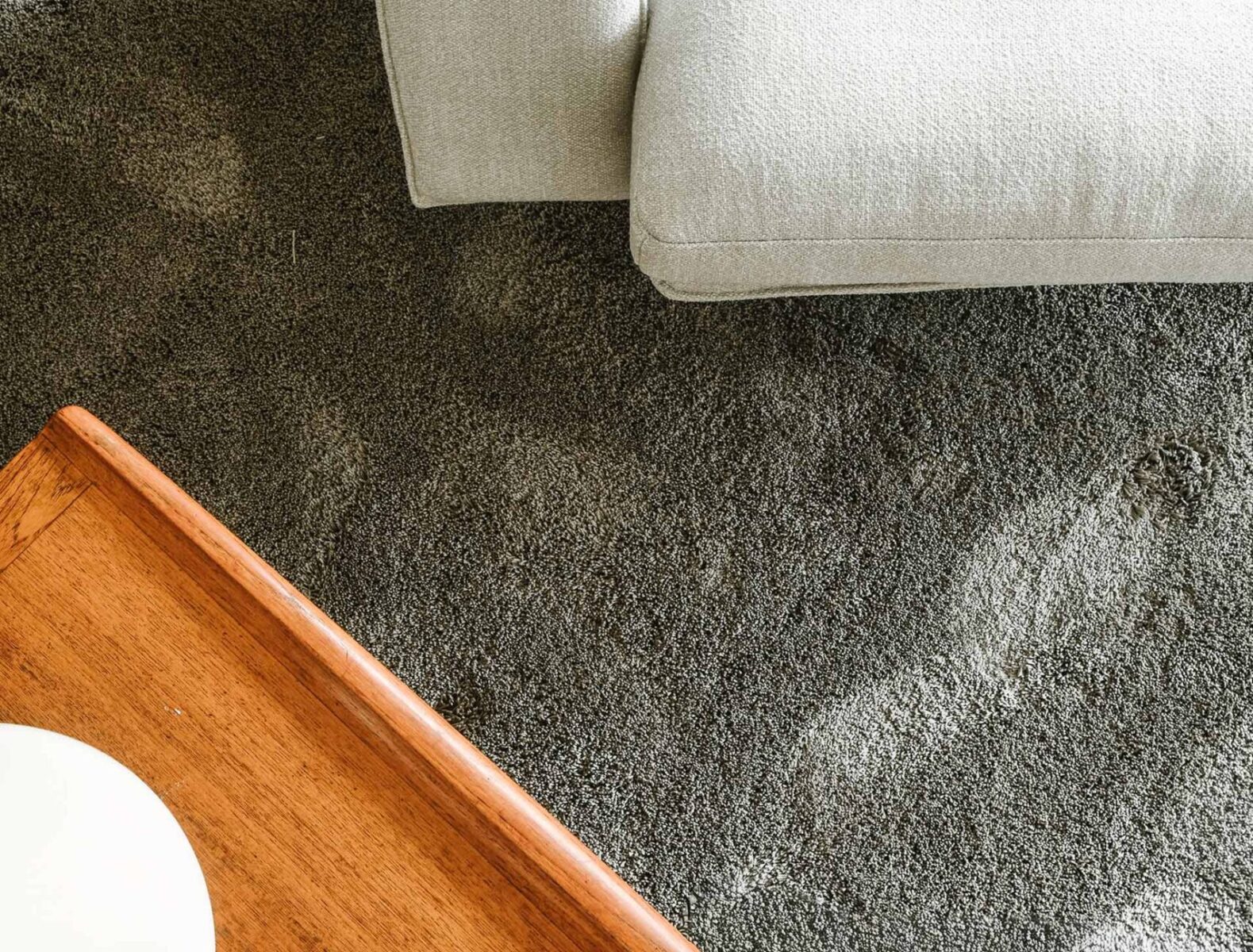
The carpet's acoustic properties improve the living room's sound conditions by dampening footsteps and effectively reducing echo.
The acoustic properties of a rug in the living room refer to its ability to influence the room’s sound conditions. A rug dampens footsteps, reduces echo, and improves overall room acoustics by absorbing sound. It makes listening to television and music more pleasant when hard surfaces don’t reflect sound excessively. Material, size, and placement affect how effectively a rug improves the living room’s sound conditions.
The acoustic properties of a rug refer to its ability to absorb and dampen sound in the living room. A rug acts as a natural sound insulator that absorbs sounds and prevents them from bouncing off hard surfaces back into the room. This reduces echo and makes the room acoustically more pleasant.
In the living room, a rug particularly affects these sounds:
Domestic rugs are designed according to Nordic aesthetics, and their acoustic properties suit open floor plans well. Particularly pile-surface rugs create a softer sound environment than smooth-surface alternatives.
The rug material significantly affects its sound dampening ability. Wool is an excellent sound insulator thanks to its natural fibers, while synthetic polyester offers consistent dampening. Recycled materials can be as effective as new fibers when manufactured correctly.
Acoustic properties of different materials:
Wool is naturally the best sound insulator. Its fibers form air pockets that absorb sound effectively. The Domino rug is 100% high-quality wool, and its varying-height square pattern further enhances sound dampening. Explore the Domino rug here.
Polyester offers consistent sound dampening and withstands wear well. The Vilja rug is long-pile polyester that is soft but made to withstand daily wear. See the Vilja rug here.
Recycled materials, such as Econyl yarn, can be equally effective in sound dampening. The Pippuri rug is made from 100% recycled Econyl yarn and suits heavy use. Explore the Pippuri rug here.
Pile length also affects sound dampening – longer pile absorbs sound more effectively than short pile.
The rug size directly affects its acoustic benefits. A larger rug covers more hard floor surface and improves the room’s sound conditions more effectively. In the living room, the rug should be large enough to cover the main living area under and around the furniture.
Acoustically effective rug size:
Custom-made rugs are an excellent solution for maximizing acoustic benefits. When a rug is made exactly to your space’s measurements, it covers the optimal amount of floor surface and improves room acoustics effectively. Nordic interior design favors clean lines, and a properly sized rug creates a calm atmosphere acoustically as well.
Underfloor heating doesn’t affect the rug’s acoustic properties, but quality underlay ensures that the rug stays flat and sound dampening works in the best possible way.
Color and pattern don’t directly affect the rug’s physical acoustic properties, but they psychologically influence how we experience the space’s sound environment. Light colors create an open atmosphere that can feel acoustically more spacious, while dark colors make the space more intimate and acoustically softer.
Psychological effects of colors on sound experience:
Light colors, such as natural white, reflect light and create an open atmosphere. This can make the space feel acoustically more spacious, even though the rug’s acoustic properties remain the same.
Neutral tones, such as beige, suit Nordic aesthetics and create a calm atmosphere. They support the rug’s sound-dampening properties by creating a harmonious environment.
Deeper colors, such as green, can make the space more intimate and acoustically softer. Dark colors absorb light just as the rug absorbs sound.
Patterns can affect how we notice sounds. Calm patterns, like Domino’s square pattern, create a balanced environment where it’s easy to concentrate. Too busy patterns can make the space feel restless, which also affects how we experience sounds.
All rugs are machine washable, which makes their maintenance easier and keeps the acoustic properties intact. Clean rugs work as sound dampeners more effectively than dirty ones.
Order a material sample here – nothing replaces a real material sample. You’ll see the true color and feel the material in your fingers. We’ll deliver the sample you want for you to look at and touch.
VM Carpet manufactures domestic rugs with fast delivery time from the world’s best materials. We want to serve you flexibly and make buying rugs pleasant. We are a genuinely Finnish company, seasoned with Nordic aesthetics and full of life. Contact us, and we’ll help you find a rug that improves your space’s acoustics.
Etsitään yhdessä vastaus kysymykseesi. Saat tukea chatissa ja verkkosivuillamme.